
What Not to Do After a Tooth Extraction in Vernon Hills, IL
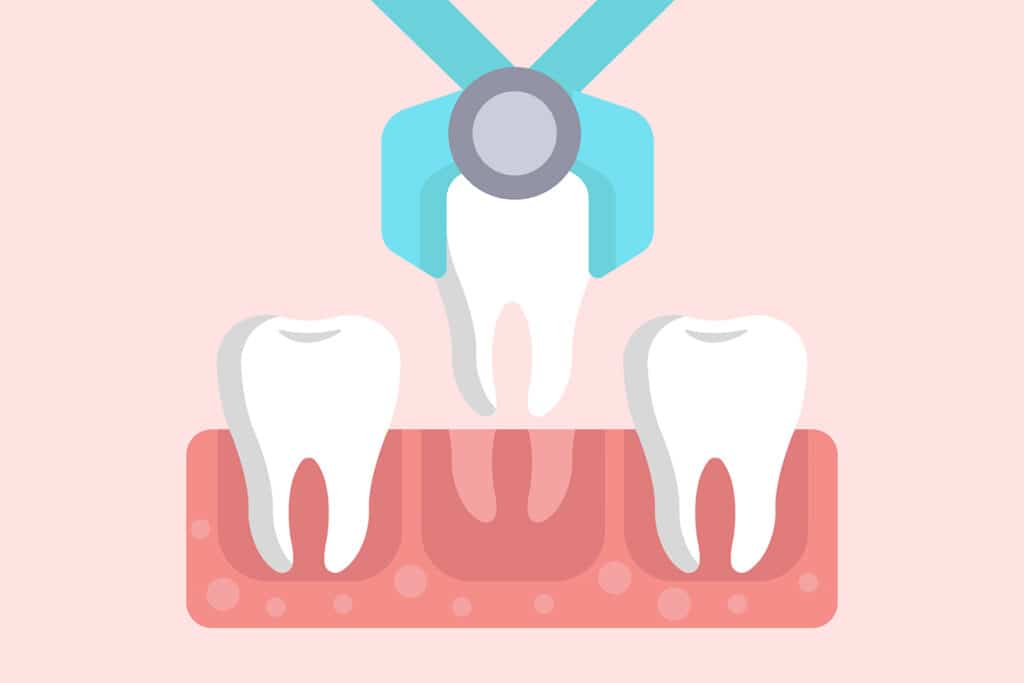
Having a tooth removed is sometimes the best way to protect your oral health when a tooth is severely damaged, decayed, or no longer able to be restored. At Excellent Dentistry, preserving natural teeth is always the goal, but there are situations where an extraction is necessary to prevent infection and maintain long-term dental health.
If you recently had a tooth extraction in Vernon Hills, IL, the healing process is just as important as the procedure itself. Following your dentist's instructions can help reduce discomfort, prevent complications, and support a smooth recovery. Unfortunately, many patients unknowingly make mistakes during the first few days after an extraction that can delay healing and increase the risk of problems.
Understanding what not to do after a tooth extraction can help you protect the extraction site and get back to your normal routine as quickly as possible.
Don't Smoke or Use Tobacco Products
One of the most important things to avoid after a tooth extraction is smoking or using tobacco products. Smoking significantly increases the risk of developing a painful condition known as dry socket.
After a tooth is removed, a blood clot forms in the empty socket. This clot acts as a protective layer over the underlying bone and nerves while the area heals. The suction created during smoking can dislodge the clot before healing is complete.
In addition to increasing the risk of dry socket, tobacco use slows the body's natural healing process by reducing blood flow to the tissues. This can prolong recovery and increase the chance of infection.
If possible, avoid smoking for at least several days after your extraction. The longer you can refrain from tobacco use during recovery, the better your healing outcome is likely to be.
Don't Drink Through a Straw
Many patients are surprised to learn that drinking through a straw can be harmful after a tooth extraction.
Similar to smoking, using a straw creates suction inside the mouth. This pressure can dislodge the blood clot that is protecting the extraction site. Once the clot is lost, the exposed bone and nerves can cause significant pain and delay healing.
Instead of using a straw, drink directly from a cup and take small sips. Staying hydrated is important during recovery, but it is best to avoid anything that creates excessive pressure in the mouth.
This precaution should generally be followed for several days after your procedure or as directed by your dentist.
Don't Eat Hard, Crunchy, or Sticky Foods
Your diet plays a major role in the healing process following a tooth extraction.
Hard foods can irritate the extraction site or become lodged in the socket. Crunchy foods such as chips, popcorn, nuts, and crackers may break into small pieces that are difficult to remove and can interfere with healing.
Sticky foods can also create problems by pulling on the extraction site or leaving residue behind.
During the first few days after your procedure, focus on soft foods that require minimal chewing. Examples include:
• Yogurt
• Applesauce
• Mashed potatoes
• Scrambled eggs
• Smooth soups
• Cottage cheese
• Soft pasta
As healing progresses, you can gradually return to your normal diet based on your dentist's recommendations.
Don't Skip Your Oral Hygiene Routine
Some patients worry that brushing or cleaning their teeth after an extraction could cause harm, leading them to avoid oral hygiene altogether. While caution is necessary, neglecting oral hygiene can increase the risk of infection.
Keeping your mouth clean is essential for proper healing. Continue brushing and flossing your other teeth while carefully avoiding the extraction site during the first day or two.
Your dentist may also recommend gently rinsing with warm salt water after the initial healing period begins. This can help reduce bacteria and keep the area clean.
The key is to clean your mouth carefully without disturbing the healing socket.
Don't Engage in Strenuous Physical Activity Too Soon
Many Vernon Hills residents lead active lifestyles, but it is important to take it easy immediately after a tooth extraction.
Heavy lifting, intense exercise, and strenuous physical activity can increase blood pressure and potentially cause bleeding at the extraction site. Increased activity may also disrupt the formation of the blood clot that is critical for healing.
Most patients benefit from resting during the first 24 to 48 hours following treatment. Light activities are generally acceptable, but strenuous workouts should be postponed until your dentist indicates it is safe to resume normal exercise.
Giving your body time to heal can help reduce complications and improve your overall recovery experience.
Don't Touch the Extraction Site
It is natural to be curious about the area where your tooth was removed, but repeatedly touching the extraction site can create problems.
Avoid:
• Poking the area with your tongue
• Touching the socket with your fingers
• Using toothpicks near the extraction site
• Constantly checking the area in the mirror
Every time the area is disturbed, the healing process can be interrupted. Bacteria may also be introduced into the site, increasing the risk of infection.
Allow the area to heal naturally and contact your dentist if you have concerns about how the extraction site looks or feels.
Don't Ignore Signs of Complications
While most tooth extractions heal without difficulty, it is important to recognize when something may not be progressing normally.
Contact your dentist if you experience:
• Severe or worsening pain
• Excessive bleeding
• Swelling that continues to worsen after several days
• Fever
• Pus or drainage from the extraction site
• Difficulty swallowing or breathing
Prompt attention can help prevent minor issues from becoming more serious problems.
At Excellent Dentistry, patient comfort and safety are priorities throughout every stage of treatment and recovery. Their team focuses on providing comprehensive care and helping patients understand what to expect before, during, and after dental procedures.
Don't Rush the Healing Process
One of the biggest mistakes patients make is assuming they are fully healed before they actually are.
Even if discomfort decreases after a few days, the tissues and bone beneath the surface continue healing for several weeks. Returning too quickly to habits such as smoking, eating hard foods, or participating in intense activities can increase the risk of complications.
Following all post-operative instructions and attending any recommended follow-up visits helps ensure proper healing and long-term oral health.
Remember that every patient heals differently. Some extractions heal quickly, while others may require additional time depending on the complexity of the procedure and individual health factors.
Supporting a Smooth Recovery After Tooth Extraction
A tooth extraction is often an important step toward improving your overall oral health. By avoiding common mistakes during recovery, you can help protect the extraction site, reduce discomfort, and promote faster healing.
Simple precautions such as avoiding smoking, skipping straws, eating soft foods, maintaining good oral hygiene, and allowing your body adequate rest can make a significant difference in your recovery experience. If you have questions about healing after a tooth extraction in Vernon Hills, IL, working closely with your dental team can help ensure the best possible outcome.
Frequently Asked Questions About Tooth Extractions
How long does it take for a tooth extraction site to heal?
Most patients notice significant improvement within 1 to 2 weeks. However, complete healing of the bone and surrounding tissues can take several weeks or even months depending on the extraction and the individual's healing process.
What is dry socket?
Dry socket occurs when the protective blood clot becomes dislodged or dissolves too early, exposing the underlying bone and nerves. It can cause significant pain and often requires treatment from a dentist.
Can I brush my teeth after a tooth extraction?
Yes. You should continue brushing your teeth, but be careful around the extraction site. Good oral hygiene helps reduce the risk of infection and supports proper healing.
When can I return to work after a tooth extraction?
Many patients return to work the next day following a simple extraction. More complex procedures may require additional recovery time, especially if swelling or discomfort is present.
What foods should I avoid after a tooth extraction?
Avoid hard, crunchy, sticky, spicy, or extremely hot foods during the initial healing period. Soft foods are generally recommended until the extraction site has begun to heal.
At Excellent Dentistry, we are committed to helping patients throughout Vernon Hills, Libertyville, Mundelein, and the surrounding Lake County communities maintain healthy smiles through comprehensive, patient-focused care. We provide preventive, restorative, cosmetic, and surgical dental services while emphasizing education, comfort, and informed treatment decisions. Whether you need routine care or advanced dental treatment, our team is here to help. Contact us today to schedule a consultation.