
How Long Do Dental Bridges Last? Advice from a Vernon Hills, IL Dentist
Dental bridges are a reliable and time-tested solution for replacing missing teeth. If you are considering this treatment or already have one, it is natural to wonder how long dental bridges last and what you can do to extend their lifespan. Understanding how dental bridges function, what affects their durability, and how to care for them properly can help you protect your investment and maintain a healthy, confident smile.
At Excellent Dentistry in Vernon Hills, IL, patients often ask about the longevity of dental bridges and how they compare to other restorative options. With the right care and regular dental visits, dental bridges can provide long-lasting results that restore both function and appearance.
What Are Dental Bridges and How Do They Work?
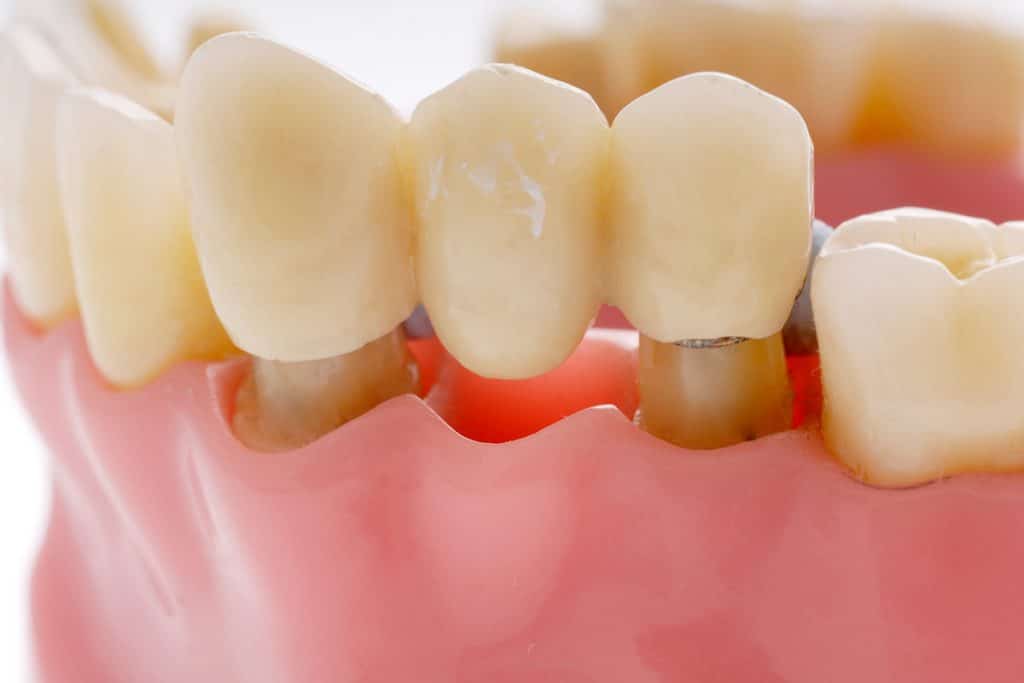
Dental bridges are fixed restorations designed to replace one or more missing teeth by anchoring artificial teeth to the surrounding natural teeth or dental implants. They help restore your ability to chew, speak clearly, and maintain proper alignment of your remaining teeth.
A traditional dental bridge consists of one or more replacement teeth, called pontics, held in place by crowns on the adjacent teeth. This creates a “bridge” across the gap left by missing teeth. Dental bridges are custom-made to match your natural teeth in color and shape, allowing them to blend seamlessly into your smile.
Because dental bridges rely on neighboring teeth for support, maintaining the health of those supporting teeth is essential to the success and longevity of the restoration.
How Long Do Dental Bridges Typically Last?
On average, dental bridges can last between 5 to 15 years, and in many cases, even longer with proper care. Some patients enjoy the benefits of their dental bridges for 20 years or more. The lifespan of dental bridges depends on several factors, including oral hygiene habits, the quality of the initial placement, and lifestyle choices.
Consistent dental checkups and professional cleanings play a major role in extending the life of dental bridges. Your dentist can monitor the condition of the bridge and the supporting teeth, addressing any concerns early before they develop into larger issues.
Investing in high-quality care and following your dentist’s recommendations can significantly improve how long your dental bridges last.
Factors That Affect the Lifespan of Dental Bridges
Several key factors influence how long dental bridges remain functional and effective. Being aware of these can help you take proactive steps to protect your restoration.
Oral hygiene is one of the most important factors. Brushing twice daily, flossing carefully around the bridge, and using tools like floss threaders or water flossers can help prevent plaque buildup and gum disease. Poor oral hygiene can lead to decay in the supporting teeth, which may compromise the entire bridge.
Diet and lifestyle habits also play a role. Chewing on hard objects, grinding your teeth, or frequently consuming sticky foods can place excessive stress on dental bridges. Patients who grind their teeth may benefit from a custom nightguard to protect their restoration.
The health of the surrounding teeth and gums is equally important. Gum disease or bone loss can weaken the foundation of dental bridges, reducing their longevity. Maintaining healthy gums is essential for long-term success.
Finally, the expertise of your dental provider matters. Proper design, fit, and placement ensure that dental bridges function correctly and withstand everyday use.
How to Make Your Dental Bridges Last Longer
Taking care of your dental bridges does not require complicated routines, but it does require consistency. Simple daily habits can make a significant difference in how long your restoration lasts.
Start with a strong oral hygiene routine. Brush your teeth at least twice a day using a soft-bristled toothbrush and fluoride toothpaste. Pay close attention to the area around the bridge to remove plaque and food debris.
Flossing is just as important, even though it may require a slightly different technique. Specialized tools can help you clean underneath the bridge where traditional floss cannot reach. Your dental team can demonstrate the best method for your specific restoration.
Regular dental visits are essential. Routine exams allow your dentist to check the condition of your dental bridges and ensure the supporting teeth remain healthy. Professional cleanings also help prevent issues that could shorten the lifespan of your bridge.
Signs Your Dental Bridge May Need Replacement
Even with proper care, dental bridges do not last forever. Knowing the warning signs of wear or failure can help you address issues before they become more serious.
One common sign is discomfort or sensitivity around the bridge. This may indicate decay in the supporting teeth or a problem with the fit of the restoration. Any persistent pain should be evaluated promptly.
Visible damage, such as cracks or chips in the bridge, is another indication that replacement may be necessary. Even small imperfections can weaken the structure over time.
Changes in how your bite feels or movement in the bridge can also signal a problem. A properly functioning dental bridge should feel stable and comfortable.
Gum recession or signs of infection around the bridge should never be ignored. Healthy gums are essential for supporting dental bridges, and any changes should be assessed by your dentist as soon as possible.
Protect Your Smile with Long-Lasting Dental Solutions
Dental bridges are a durable and effective way to restore your smile, but their longevity depends on proper care and regular dental visits. By maintaining good oral hygiene, protecting your teeth from damage, and partnering with a trusted dental provider, you can enjoy the benefits of dental bridges for many years. If you have questions or are considering treatment, scheduling a consultation is the first step toward a healthier, more complete smile.
Frequently Asked Questions About Dental Bridges
How long do dental bridges usually last?
Dental bridges typically last between 5 and 15 years, but with excellent care, they can last even longer. Regular dental visits and good oral hygiene play a major role in extending their lifespan.
Are dental bridges permanent?
Dental bridges are considered a long-term solution but may eventually need replacement. Their longevity depends on factors like oral health, habits, and maintenance.
Can dental bridges get cavities?
The bridge itself cannot develop cavities, but the supporting teeth can. Proper cleaning around the bridge is essential to prevent decay in those teeth.
Is it hard to clean dental bridges?
Cleaning dental bridges requires special techniques and tools, but it becomes easy with practice. Your dentist can recommend the best methods for your situation.
What happens if a dental bridge fails?
If a dental bridge fails, it may need repair or replacement. Your dentist will evaluate the condition and recommend the best course of action to restore your smile.
At Excellent Dentistry, we are committed to helping our patients achieve and maintain healthy, beautiful smiles through personalized care. Our team in Vernon Hills, IL takes the time to understand your needs and provide solutions that last. Whether you are exploring restorative options or need ongoing dental care, we are here to help every step of the way. Contact us today to learn more and schedule a consultation.