
Bone Grafting Before Dental Implants: When Is It Needed in Vernon Hills, IL?
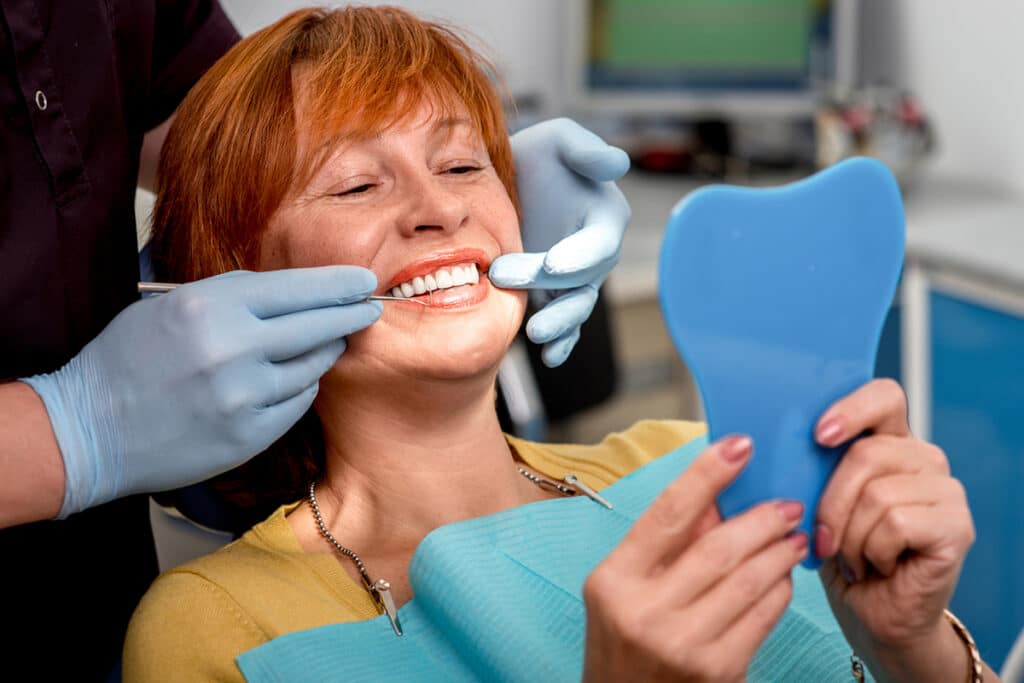
Dental implants are one of the most reliable ways to replace missing teeth, but every successful implant starts with something patients rarely think about: the bone underneath. At Excellent Dentistry, we often meet patients from Vernon Hills who are ready to restore their smile, only to learn that their jawbone needs some extra support first. Bone grafting can sound intimidating, yet it is a routine, predictable procedure that helps many people become strong candidates for implants. Below, we explain what bone grafting is, when it is needed, how we evaluate your bone, and what you can expect along the way.
Why Healthy Jawbone Matters for Dental Implants
A dental implant is a small titanium post that replaces the root of a missing tooth. After we place it, the surrounding bone gradually fuses with the implant surface through a process called osseointegration. That bond is what allows an implant to support a crown, bridge, or denture with the stability of a natural tooth.
For osseointegration to work, the implant needs enough bone in both height and width to hold it securely. If the bone is too thin, too short, or too soft, the implant may not stabilize properly, which raises the risk of loosening or failure over time.
Bone grafting rebuilds the area so the implant has a solid foundation. Grafting material is placed where bone has been lost, and over the following months your body uses it as a scaffold, gradually replacing it with your own new bone tissue.
Common Reasons You Might Need a Bone Graft
Bone loss in the jaw is more common than many people realize, and it often happens gradually without any noticeable symptoms. These are some of the most frequent reasons we recommend grafting before implant placement:
- Tooth loss that happened months or years ago. Tooth roots stimulate the jawbone every time you chew. Once a tooth is gone, that stimulation stops and the bone begins to shrink, with much of the change occurring within the first year.
- Advanced gum disease. Periodontitis attacks the gums and the bone that support your teeth. Even after the infection is treated, the bone it destroyed does not grow back on its own.
- A recent tooth extraction. An empty socket can collapse as it heals. Placing graft material at the time of extraction helps preserve the natural shape of the ridge.
- Long-term denture wear. Traditional dentures rest on the gums and do not stimulate the bone underneath, so many longtime denture wearers experience steady bone loss.
- Thin bone in the upper back jaw. The bone near the upper molars is often thin, and the sinus cavity sits just above it. Additional bone may be needed to place implants safely in this area.
- Injury or infection. Facial trauma, dental abscesses, or long-standing infections can damage bone in a specific area of the mouth.
How We Determine Whether You Need Bone Grafting
Not every implant patient needs a graft, and we never recommend one without a clear reason. Our evaluation starts with a thorough exam and a conversation about your dental history, including how long ago you lost the tooth and whether you have had gum disease.
From there, we use our CBCT 3-D x-ray to see your jawbone in detail. Unlike traditional two-dimensional x-rays, a 3-D scan shows the height, width, and density of your bone, along with the location of nerves and sinuses. This information allows us to plan implant placement precisely and determine whether grafting is needed before placement, during placement, or not at all. Our digital scanners also capture accurate impressions without messy trays, which helps us design restorations that fit comfortably and look natural.
Once we review your images, we walk you through what we see and explain your options in plain language. Our goal is for you to feel informed and confident about every step before treatment begins.
Types of Bone Grafting Procedures
The right type of graft depends on where bone is missing and how much support your implant will need. Common approaches include:
- Socket preservation. Grafting material is placed immediately after an extraction to keep the socket from collapsing while it heals.
- Ridge augmentation. This procedure rebuilds the width or height of the jawbone ridge where bone has thinned over time.
- Sinus lift. The sinus membrane in the upper back jaw is gently raised, and bone is added beneath it to create room for an implant.
- Grafting during implant placement. Minor bone deficiencies can sometimes be corrected in the same visit that the implant is placed, which may reduce overall treatment time.
Grafting materials can come from your own body, a human or animal donor source, or a synthetic material. Each option is safe and well studied, and we will explain which approach fits your needs and help coordinate the care that is right for your case.
What to Expect During Recovery and Healing
Most patients are pleasantly surprised by how manageable bone graft recovery is. You may notice some swelling, tenderness, or mild bruising for a few days, which usually responds well to over-the-counter pain relievers and cold compresses. We provide detailed aftercare instructions covering what to eat, how to keep the area clean, and which activities to avoid while you heal.
The graft then needs time to integrate with your natural bone. Healing typically takes three to six months, although smaller grafts may heal sooner and larger procedures such as sinus lifts can take longer. When grafting is combined with an extraction or implant placement, the overall timeline is often shorter.
Waiting may feel like a delay, but this healing period is an investment in the long-term success of your implant. A well-supported implant can last for decades with good home care and regular dental visits.
Building a Strong Foundation for Your Smile in Vernon Hills
If you have been told you do not have enough bone for implants, or you worry that you waited too long after losing a tooth, bone grafting may be the solution that makes implants possible. Our team welcomes patients from Vernon Hills to our Mundelein office, just a short drive away, and we offer Saturday and evening appointments to fit busy schedules. We also work with your insurance and offer financing through Cherry Financing and CareCredit to help make implant care more affordable. The sooner we evaluate your bone, the more options you are likely to have, so we encourage you to schedule a consultation and take the first step toward a complete, confident smile.
Frequently Asked Questions About Bone Grafting Before Dental Implants
Is bone grafting painful?
The procedure is performed with local anesthesia, so you should feel pressure rather than pain. Afterward, most patients describe mild soreness that improves within a few days.
How do I know if I need a bone graft before dental implants?
The best way to know is a dental exam with 3-D imaging. Our CBCT scan shows whether your jawbone has enough height, width, and density to support an implant.
How long after a bone graft can I get a dental implant?
Most grafts need three to six months to heal before an implant is placed. In some cases, we can place the graft and the implant during the same visit.
Can I still get dental implants if I have had gum disease?
Yes, many patients with a history of gum disease can still receive implants. We first make sure the infection is under control, and a bone graft may be recommended to rebuild lost support.
Does bone grafting increase the cost of dental implants?
A graft does add to the overall cost of treatment, but it also improves the long-term success of your implant. We work with your insurance and offer flexible financing options to help treatment fit your budget.
Excellent Dentistry is a comprehensive dental practice in Mundelein, IL, proudly serving patients in Vernon Hills, Libertyville, and surrounding communities with preventive, cosmetic, restorative, and implant dentistry for the whole family. To find out whether bone grafting and dental implants are right for you, contact us today to schedule your consultation.