
Dental Implant Aftercare Tips from a Vernon Hills, IL Dentist
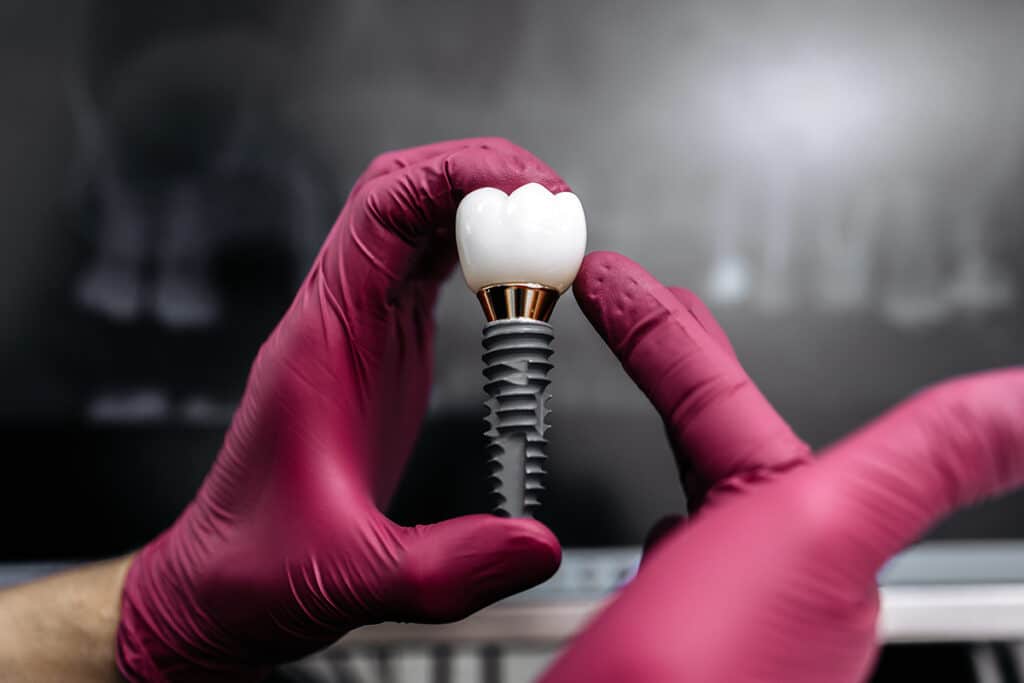
Dental implants can provide a long-term option for replacing missing teeth and restoring function to your smile. However, successful treatment does not end when the implant is placed. The way you care for your mouth during recovery and in the years that follow plays an important role in maintaining your oral health and protecting your restoration.
At Excellent Dentistry, we provide comprehensive restorative and implant dentistry for patients from Vernon Hills and surrounding Lake County communities. We believe patients should understand what to expect throughout their care, including how to look after their smiles once they return home. While every patient's recovery instructions may differ, following a few important dental implant aftercare practices can help support the healing process and long-term oral health.
Follow Your Personalized Post-Treatment Instructions
One of the most important things you can do after dental implant treatment is follow the instructions provided by your dental team. Every patient is different, and factors such as the location of the implant, the number of implants placed, and your overall oral health may affect your recovery.
We will explain how to care for the treatment area, what foods may be appropriate, and when you should return for follow-up care. If your personalized instructions differ from general advice you have read elsewhere, always follow the recommendations provided for your specific treatment.
It is also important to contact our office if you have questions during recovery. We would rather have you ask about a concern than make assumptions about what you should do. Clear communication can make it easier to navigate the healing period with confidence.
Give Your Mouth Time to Heal
Rest is an important part of the initial recovery process. After implant placement, your mouth needs time to begin healing around the treated area. Avoiding unnecessary irritation can help protect the surgical site during this early stage.
Your dentist may recommend limiting strenuous physical activity for a period after treatment. Activities that increase your heart rate can sometimes contribute to bleeding or discomfort shortly after an oral procedure. Follow the specific timeline provided by your dental team before returning to strenuous exercise or other demanding activities.
Some tenderness and swelling may occur after implant placement. Your dentist will provide guidance about what you can expect and how to manage your recovery. If symptoms seem unusual, become more severe, or do not improve as expected, contact the dental office for further instructions.
Choose Foods Carefully During Early Recovery
What you eat after dental implant placement matters. Hard, crunchy, sticky, or difficult-to-chew foods may put unnecessary pressure on the treatment area, particularly during the earliest stages of healing.
You may be advised to begin with softer foods that require minimal chewing. Depending on your instructions, options might include yogurt, eggs, mashed vegetables, soups that have cooled to an appropriate temperature, smoothies eaten with a spoon, and other soft meals. Your dental team can tell you when it is appropriate to gradually reintroduce firmer foods.
Try to avoid chewing directly on the implant site until you have been told that it is safe to do so. Even if the area feels comfortable, healing is still occurring beneath the surface. Being cautious during this period can help protect the treatment area while the implant integrates with the surrounding bone.
Keep Your Mouth Clean Without Irritating the Implant Site
Good oral hygiene remains essential after implant treatment, but you may need to temporarily adjust your routine around the surgical area. Keeping your mouth clean helps control plaque and supports the health of your teeth and gums.
Your dentist will provide specific instructions about brushing and cleaning around the implant site. Follow those directions carefully rather than aggressively brushing an area that is still healing. You may also receive recommendations about rinsing your mouth during the recovery period.
Once the area has healed, consistent brushing and interdental cleaning become an important part of maintaining your implant. Although an implant restoration cannot develop a cavity like a natural tooth, the gum tissue and bone around the implant still need proper care.
Avoid Smoking and Other Habits That Can Interfere With Healing
Smoking and tobacco use can interfere with the body's ability to heal after dental procedures. If you smoke, your dentist may recommend avoiding tobacco before and after implant treatment. Following that recommendation is an important part of supporting the healing process.
You should also avoid habits that could place unnecessary pressure on the implant or restoration. Chewing ice, biting pens, using your teeth to open packages, and similar behaviors can put excessive force on both natural teeth and dental restorations.
If you grind or clench your teeth, make sure your dental team knows. Depending on your situation, we may discuss strategies for helping protect your teeth and implant restoration from excessive forces.
Know When to Contact Your Dentist
Some discomfort following an implant procedure may be expected, but it is important to pay attention to how your mouth is healing. Your dental team will explain which symptoms are typical and which ones deserve additional attention.
Contact your dentist if you experience symptoms that concern you, especially if pain or swelling becomes worse instead of gradually improving. Persistent bleeding, signs of infection, a feeling that something is loose, or other unexpected changes should also be discussed with your dental team.
Do not wait until your next scheduled appointment if you believe something is wrong. Prompt communication allows your dentist to evaluate the situation and determine whether additional care is needed.
Keep Every Recommended Follow-Up Appointment
Dental implant aftercare includes more than what you do at home. Follow-up visits allow us to evaluate how the treatment area is healing and determine when you are ready for the next stage of care.
Dental implant treatment can involve multiple steps. Depending on your individual treatment plan, time may be needed for the implant to integrate with the jawbone before the final restoration is completed. Keeping scheduled appointments helps your dental team monitor that process.
At Excellent Dentistry, we take a comprehensive approach to dental care. Rather than viewing implant placement as an isolated procedure, we consider your overall oral health, function, comfort, and long-term treatment needs.
Continue Excellent Oral Hygiene After Healing
Once your dental implant has healed and your restoration is complete, daily oral hygiene remains a priority. Dental implants are designed to replace missing teeth, but they still depend on healthy surrounding gums and bone for support.
Brush consistently according to your dentist's recommendations and clean between your teeth and around your implant. Your dental team can demonstrate appropriate cleaning techniques and recommend tools based on the design and location of your restoration.
Pay attention to changes around the implant as well. Bleeding gums, tenderness, swelling, or changes in the way the restoration feels should not be ignored. Bringing concerns to your dentist early allows the area to be examined before a problem potentially becomes more complicated.
Maintain Regular Dental Checkups
Dental implants do not eliminate the need for routine dental visits. Regular examinations and professional cleanings remain important for monitoring your implant as well as your natural teeth, gums, and overall oral health.
During these visits, we can evaluate the tissues around your implant and check the condition of your restoration. Routine care also gives us an opportunity to identify changes elsewhere in your mouth that may require attention.
At Excellent Dentistry, prevention is an important part of the comprehensive care we provide. Maintaining regular visits after implant treatment can help you protect both your restored tooth and the rest of your smile.
Protect Your Dental Implant for the Long Term
Dental implant care should continue long after the initial healing period. Good oral hygiene, routine dental appointments, and healthy daily habits all contribute to maintaining the tissues and structures that support your restoration.
Patients should also remember that restorations can experience normal wear over time. If your implant-supported crown or another component ever feels different, becomes damaged, or affects your bite, schedule an evaluation instead of trying to adjust it yourself.
Your long-term care needs will depend on your individual oral health. We can provide recommendations during routine appointments and make adjustments when appropriate.
Turn to Excellent Dentistry for Implant Care Near Vernon Hills
Taking care of your smile after dental implant treatment involves both short-term recovery and long-term maintenance. Following your dentist's instructions, protecting the treatment area, choosing appropriate foods, maintaining good oral hygiene, and attending follow-up appointments can all support your care.
At Excellent Dentistry, we welcome patients from Vernon Hills and neighboring communities to our Mundelein dental office. We combine comprehensive care with modern dental technology and individualized treatment planning. If you are considering dental implants or need guidance about caring for an existing implant, schedule a visit with our team to discuss your needs.
Frequently Asked Questions About Dental Implant Aftercare
How long does it take to recover after getting a dental implant?
Recovery varies from patient to patient and depends on the details of the procedure. Your dentist can provide a more personalized timeline based on your treatment and evaluate your progress during follow-up appointments.
What should I avoid eating after dental implant placement?
You may be advised to temporarily avoid hard, crunchy, sticky, or chewy foods that could irritate the treatment area. Follow your dentist's instructions about which foods are appropriate and when you can return to your normal diet.
Can I brush my teeth after dental implant surgery?
Oral hygiene remains important, but you may need to modify how you clean near the treatment area during early healing. Follow the specific brushing and cleaning instructions provided by your dentist.
Do dental implants need special care after they heal?
Dental implants require consistent oral hygiene and regular professional dental care. Your dentist can recommend appropriate brushing and interdental cleaning techniques based on your implant restoration and individual oral health needs.
How often should I visit the dentist after getting dental implants?
Your recommended schedule will depend on your oral health and treatment plan. Regular examinations and professional cleanings allow your dentist to monitor the implant, surrounding tissues, natural teeth, and overall health of your smile.
At Excellent Dentistry, we provide comprehensive dental care for patients from Vernon Hills, Mundelein, Libertyville, and surrounding Lake County communities. We focus on individualized treatment, patient education, and modern dental care to help our patients make informed decisions about their smiles. To learn more about dental implants or schedule an appointment with our team, contact us today.